
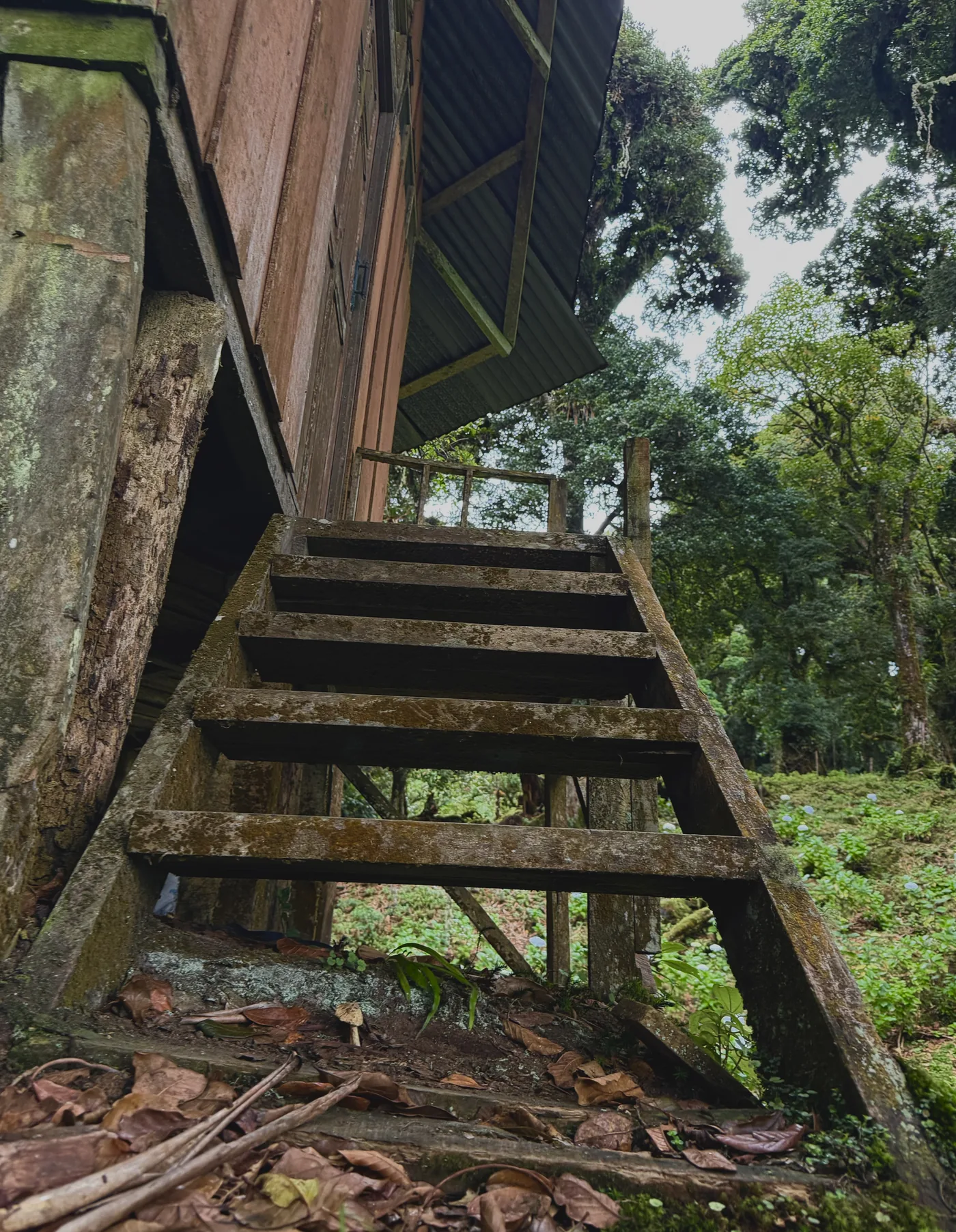
Deck Repair in South Fulton, GA
Soft boards, a sagging corner, a rail that moves when you lean on it. We find out what is actually failing before anyone writes a number down.
The Six Things South Fulton Decks Fail On
Humidity, fifty inches of rain a year, and shrinking clay do slow damage. Most of it shows up in the same handful of places, and most of it is invisible from the top side of the deck.
Soft, springy boards
Underfoot bounce usually means the joists below have gone, not the board. Probe the joist top, not the surface.
Rust streaks at the screws
Modern copper-based treatment is about twice as hard on steel as the old CCA. Plain or electro-galvanized fasteners corrode out.
A gap opening at the house
The ledger or its lateral connection is moving. This is the failure that gets sudden rather than gradual, and it needs looking at now.
Post bases dark and soft
End grain sitting on concrete or buried in soil wicks water. A standoff base holds the post clear so it can dry.
A corner that has dropped
A footing that was shallow or set on fill, riding the seasonal swell and shrink of Piedmont red clay under your yard.
A rail you can move by hand
The guard post to rim joist connection cannot develop the load code asks of it. Common, and dangerous at height.
Why Do Older South Fulton Decks Fail Where They Do?
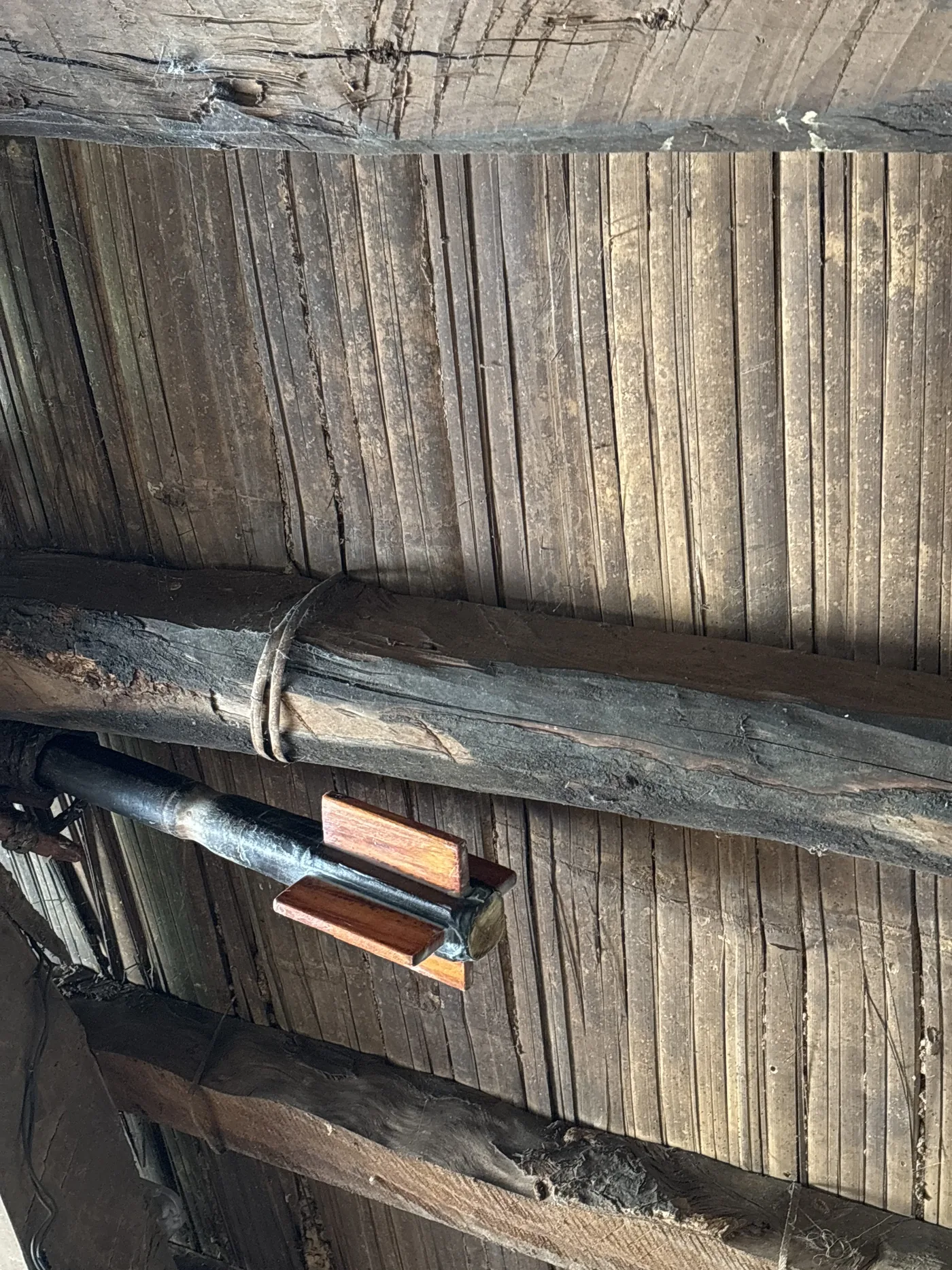
Because of what the climate does to the parts you cannot see. Year-round humidity and about fifty inches of rain keep framing damp, so rot starts at the joist tops, the post bases, and behind an unflashed ledger long before the surface looks bad. Add red clay that swells and shrinks under shallow footings and you get racking and uneven boards. We repair and replace joists, beams, posts and ledgers, re-deck over a sound frame, rebuild guards and stairs to current heights, and correct footings that were never deep enough. Communities like Red Oak, Campbellton, and Sandtown carry plenty of decks built before current ledger and guard standards existed.
- ✓ Awl-probed, not guessed
- ✓ Ledger and flashing checked
- ✓ Rot cut back to sound wood
- ✓ Guards brought to height
- ✓ Stair risers evened up
- ✓ Debris hauled away
How We Judge a South Fulton deck before quoting
A repair quote written from a photograph is a guess. The frame is what decides the price, and the frame is underneath.
We probe, we do not eyeball
An awl or ice pick into post bases, joists, stair stringers, and guard posts. Rotted wood is soft and spongy and gives under the point. Sound wood does not.
The ledger gets checked first
It carries about half the deck's load into your house. We look for flashing, for the fastener type, and for whether the band joist behind it is still solid.
We separate surface from structure
Cupped and split boards over sound framing is a resurface. Movement or rot in the posts, beams, or ledger is a replacement conversation, not a patch.
Small rot gets treated, big rot gets replaced
Roughly thumb-sized decay can be cut out and treated with preservative. Anything past that means the member comes out. A rotted ledger is never patchable.
We check the hardware, not just the wood
Electro-galvanized or bare steel in modern copper-treated lumber corrodes from the inside. Mixed stainless and galvanized parts corrode each other.
We tell you when repair is the wrong answer
Sometimes the honest number for a patch is close enough to the replacement number that the patch makes no sense. We would rather say so.
Repair, Resurface, or replace the whole deck
| What we find | Repair or resurface | Full replacement |
|---|---|---|
| Cupped, split, or greyed deck boards over sound framing | Yes | Not needed |
| Decay the size of a thumb in one joist | Cut out and treat | Not needed |
| Several joists soft along their tops | Replace the members | Sometimes cheaper |
| Rot in the support posts or the beam | No | Yes |
| Rot in the ledger or the band joist behind it | Never patchable | Yes |
| Footings shallow, on fill, or visibly moved | No | Yes |
| Guards under height or openings too wide | Rebuild the guard | Only if the frame is also failing |
| You want to move to composite | Resurface over a repaired frame | Only if the structure is gone |
How a Repair Gets Scoped
Four steps, and the second one is the one that decides what the job actually is.
The Walk
We probe the frame, pull a board where we need to, and look at the ledger, the flashing, and the footings.
The Verdict
Repair, resurface, or replace, with the reasoning shown. Where the frame is sound we say so.
The Price
One written number for the scope agreed, with any permit work called out separately.
The Work
Rot cut back to sound wood, connections corrected, guards and stairs brought to current heights, debris hauled.
Deck Services in South Fulton
Six things we do all week: build new, repair old, swap the decking, refinish, roof it over, screen it in.
Deck Building
New decks framed to the current Georgia residential code, permit and inspections handled.
Learn more →Deck Repair
Rotted joists, loose ledgers, spongy boards, wobbly rails. We find the cause before quoting.
Learn more →
Composite Decking
Keep the frame, swap the surface. Capped composite and PVC over a repaired substructure.
Learn more →
Deck Staining
Clean, brighten, then finish, once the wood is dry enough to actually take it.
Learn more →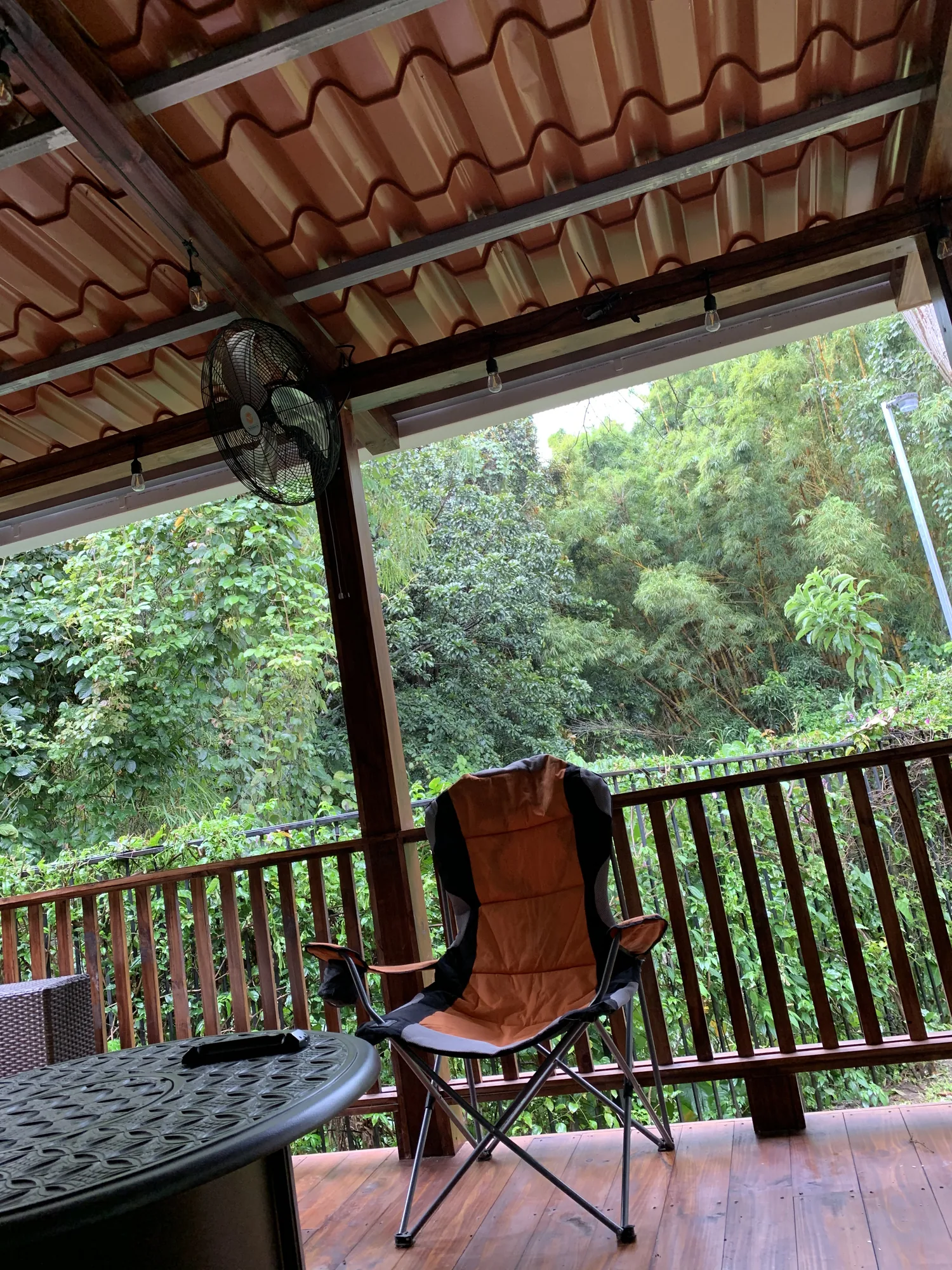
Covered Decks
A roof over the deck, checked first against what the existing posts and footings carry.
Learn more →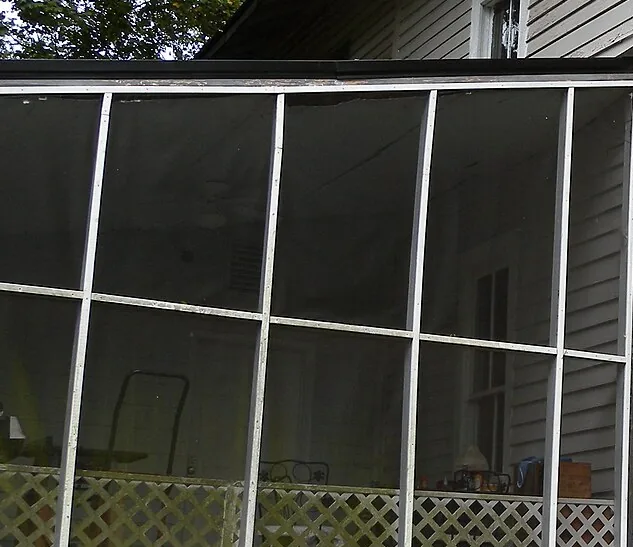
Screened Porches
Screen an existing covered deck, or build the roof and the screen wall together.
Learn more →Deck Work Across South Fulton and Nearby
We cover all 92 square miles of South Fulton plus the towns around it, out to Palmetto and Chattahoochee Hills on one side, Riverdale and Fayetteville on the other. If your mail still says Atlanta, Fairburn, or Union City, you are almost certainly inside our area. No travel charge inside that ring.
Repair questions we hear in South Fulton
Ready to Talk About Your Deck?
Send the address and a photo, or call and we will set a walkthrough. You get one written price, the permit handled, and a start date you can plan around.