
Composite Decking in South Fulton, GA
Capped composite and cellular PVC, installed to the board maker's own gapping and span rules, over a frame we have repaired and taped first.
Four Decking materials, honestly compared
The board decides a third to half of the price and all of the upkeep. Pick it for how long you plan to stay, not for the showroom sample.
| Material | Upkeep | Holds colour | Moisture behaviour | Best for |
|---|---|---|---|---|
| Pressure-treated pine | Clean and refinish on a cycle | Needs finish | Absorbs and releases; wet stock shrinks after install | Lowest install cost, and owners who do not mind the maintenance rhythm |
| Western red cedar | Finish to keep colour, or let it silver | Silvers unfinished | Naturally durable heartwood, still moves with weather | A softer, better-looking wood deck at mid price |
| Capped composite | Wash only | Capped against fade | Wood flour core behind a polymer cap; expands and contracts with heat | Most South Fulton re-decks, where the frame is sound and the surface is tired |
| Cellular PVC | Wash only | No wood fibre to stain | No wood content at all, so nothing absorbs water or feeds mould | Shaded, damp, and poolside decks, and the longest manufacturer warranties |

Can I Put Composite on My Existing Deck?
Usually yes, and it is the cheapest moment to upgrade. If the joists, beams, posts, and ledger probe sound, we strip the old boards, repair whatever needs it, run joist tape over the framing tops, and lay composite on the structure you already own. That skips the expensive half of a new deck. We install capped composite and cellular PVC on new frames and on re-decks, with hidden fasteners, manufacturer gapping, and joist spacing checked against the board's own instructions. The one thing that stops it is joist spacing: diagonal layouts and some boards want 12 inches on center rather than 16.
- ✓ Re-deck over sound frame
- ✓ Joist tape underneath
- ✓ Hidden fastener systems
- ✓ Manufacturer gapping
- ✓ Spacing checked first
- ✓ Warranty kept intact
Composite Rules that do not apply to wood
Composite is not wood with better manners. It moves for different reasons, fastens differently, and voids its warranty differently.
We gap for heat, not for shrinkage
Wet treated wood is laid nearly tight because it shrinks open. Composite does the opposite and expands in heat, so it gets a deliberate side-to-side gap instead.
We check the board temperature, not the forecast
A dark composite board in South Fulton summer sun runs far hotter than the air. Already hot means already expanded, which changes the gap that day.
We follow the board maker's instructions
Manufacturer instructions govern the warranty, and the code generally requires products to be installed to them. Ours is not a house style that overrides the label.
We check spacing before we quote a re-deck
A frame built at 16 inches on center will not take a diagonal composite layout without blocking or a rethink. Better found before demolition than after.
We do not mix fastener systems
Clip, screw, and grooved board have to come from a compatible system. Mixing them creates spacing problems and warranty problems at the same time.
We ask about the evaluation report
Composite gets code recognition through a testing standard, and a building official approves a brand on the strength of its evaluation report. It is a real, checkable signal.
The Gap Is the Whole Job on a Georgia Summer Deck
Get the spacing backwards and the deck either buckles in July or opens into gaps you could lose a phone through. The correct number depends entirely on the material.
- Wet treated woodInstalled close to tight, on the order of a sixteenth of an inch, because the boards shrink as they dry and open their own gap.
- Kiln-dried treatedAlready gave up its moisture, so it barely shrinks and gets a normal installed gap of roughly an eighth of an inch.
- CompositeExpands and contracts with temperature. Typical guidance is an eighth to three-sixteenths side to side, and at least three-sixteenths where a board meets a post or a wall.
- The hot-day ruleAbove roughly 90 degrees a board is already near maximum expansion, so the tighter end of the range applies. Installers check the board surface, not the weather app.
- Why it matters hereJuly highs near 90 and dark boards absorbing sun means South Fulton decks spend real time at the top of that range.
How a Composite Re-Deck Runs
Strip, inspect, repair, tape, then lay. The inspection step is what decides the price.
Strip
The old decking comes off so the frame is fully visible. Nothing gets judged through a gap between boards.
Probe
Joists, beams, posts, and ledger get probed and checked. Anything soft gets replaced before anything new goes down.
Tape
Joist tape over the framing tops, sealing around every fastener hole, so the substructure outlives the surface.
Lay
Boards set to the manufacturer's gap and span rules, hidden fasteners in a matched system, edges and fascia finished.
Deck Services in South Fulton
Six things we do all week: build new, repair old, swap the decking, refinish, roof it over, screen it in.
Deck Building
New decks framed to the current Georgia residential code, permit and inspections handled.
Learn more →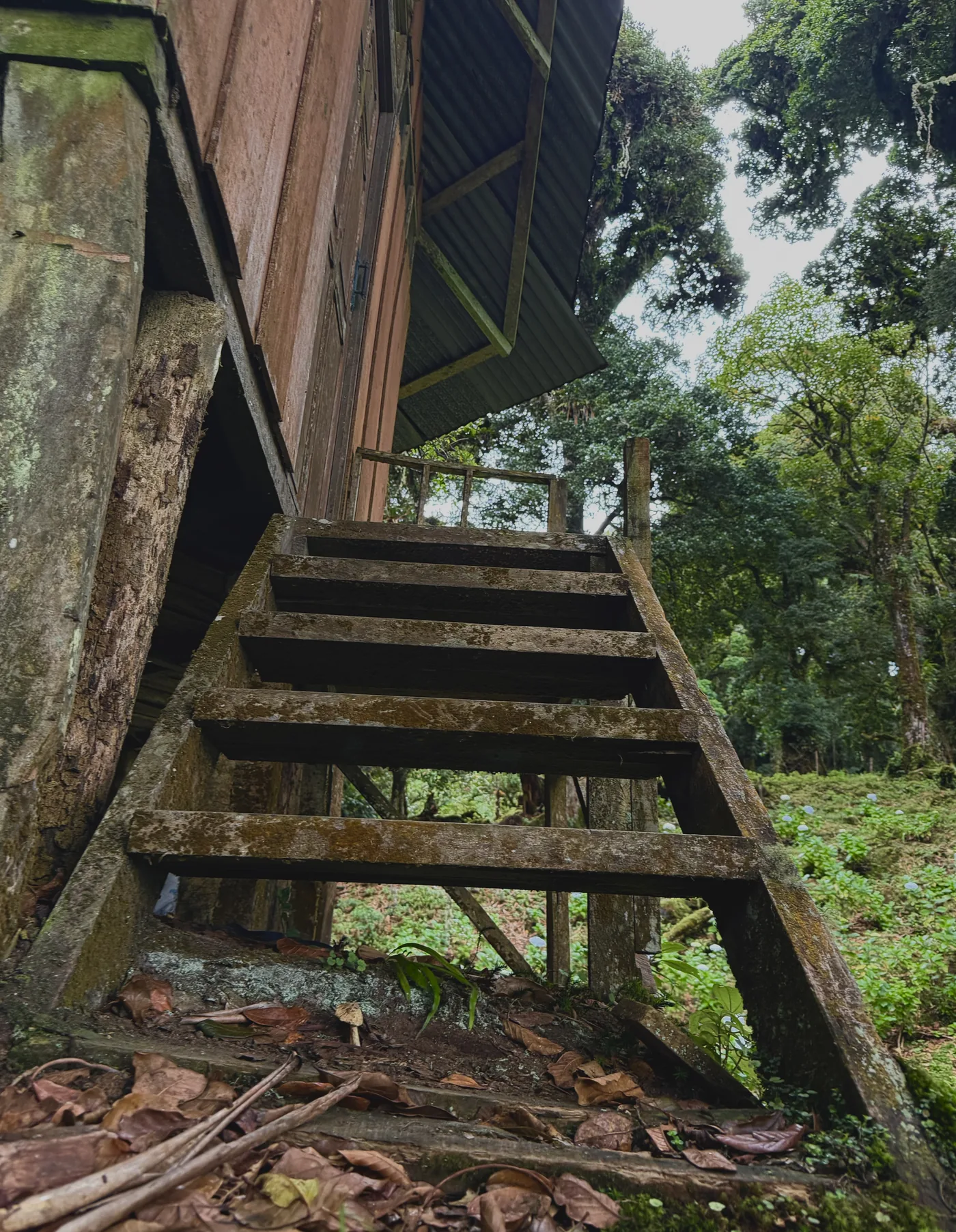
Deck Repair
Rotted joists, loose ledgers, spongy boards, wobbly rails. We find the cause before quoting.
Learn more →Composite Decking
Keep the frame, swap the surface. Capped composite and PVC over a repaired substructure.
Learn more →
Deck Staining
Clean, brighten, then finish, once the wood is dry enough to actually take it.
Learn more →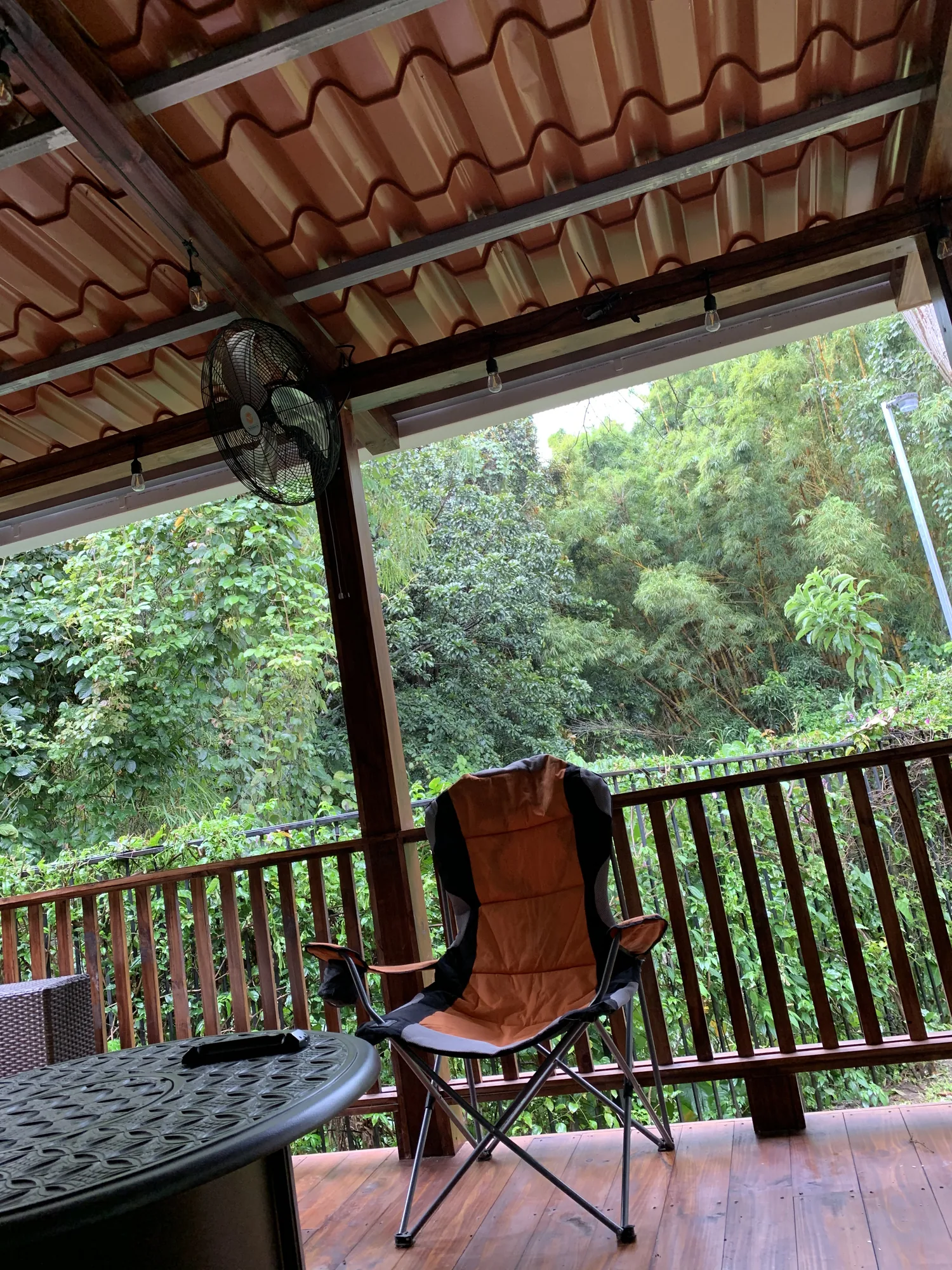
Covered Decks
A roof over the deck, checked first against what the existing posts and footings carry.
Learn more →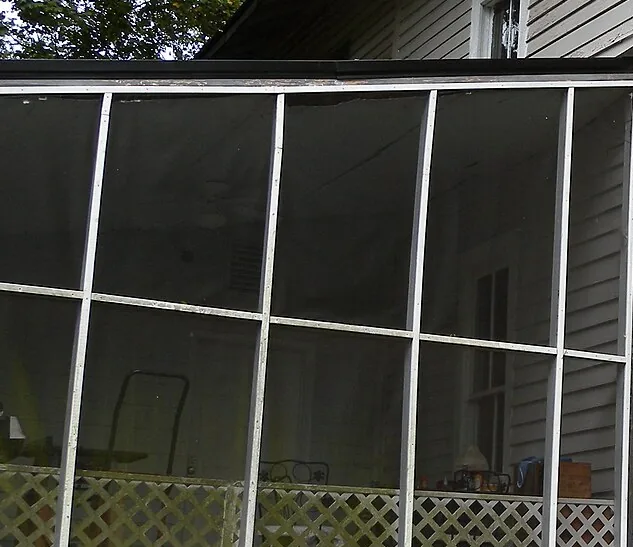
Screened Porches
Screen an existing covered deck, or build the roof and the screen wall together.
Learn more →Deck Work Across South Fulton and Nearby
We cover all 92 square miles of South Fulton plus the towns around it, out to Palmetto and Chattahoochee Hills on one side, Riverdale and Fayetteville on the other. If your mail still says Atlanta, Fairburn, or Union City, you are almost certainly inside our area. No travel charge inside that ring.
Composite questions in South Fulton
Ready to Talk About Your Deck?
Send the address and a photo, or call and we will set a walkthrough. You get one written price, the permit handled, and a start date you can plan around.